Before it was a morning ritual,
coffee was contraband.
For centuries, coffee remained an Arab monopoly. Every bean bound for Europe left through a single gate: the port of Mocha on the Red Sea. The rule there was absolute — no living coffee seed could leave. Exporting a green, plantable bean was punishable by death. Only roasted, sterile beans were permitted to sail, so that no coffee tree could ever take root beyond Yemen’s hills.
And then, in the sixteenth century, a pilgrim arrived with a very dense beard.
Indian Sufi saint Baba Budan discovered coffee during his pilgrimage to Mecca. Drawn to the drink that kept monks awake through long nights of prayer, he did what no one had dared. At the docks of Mocha, he chose seven perfect green beans — seven being sacred in his faith — and threaded one into each strand of his beard.
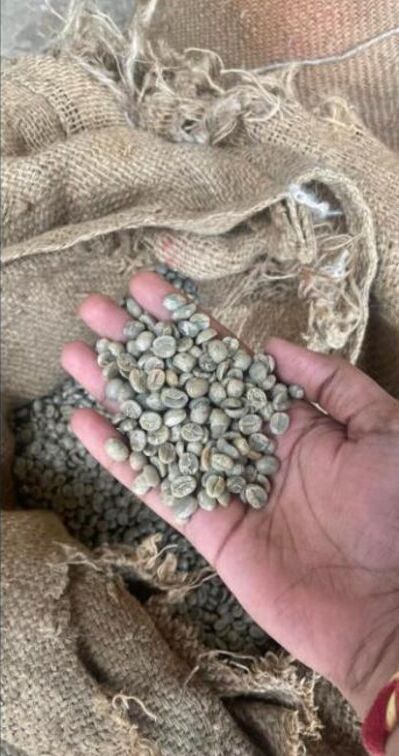
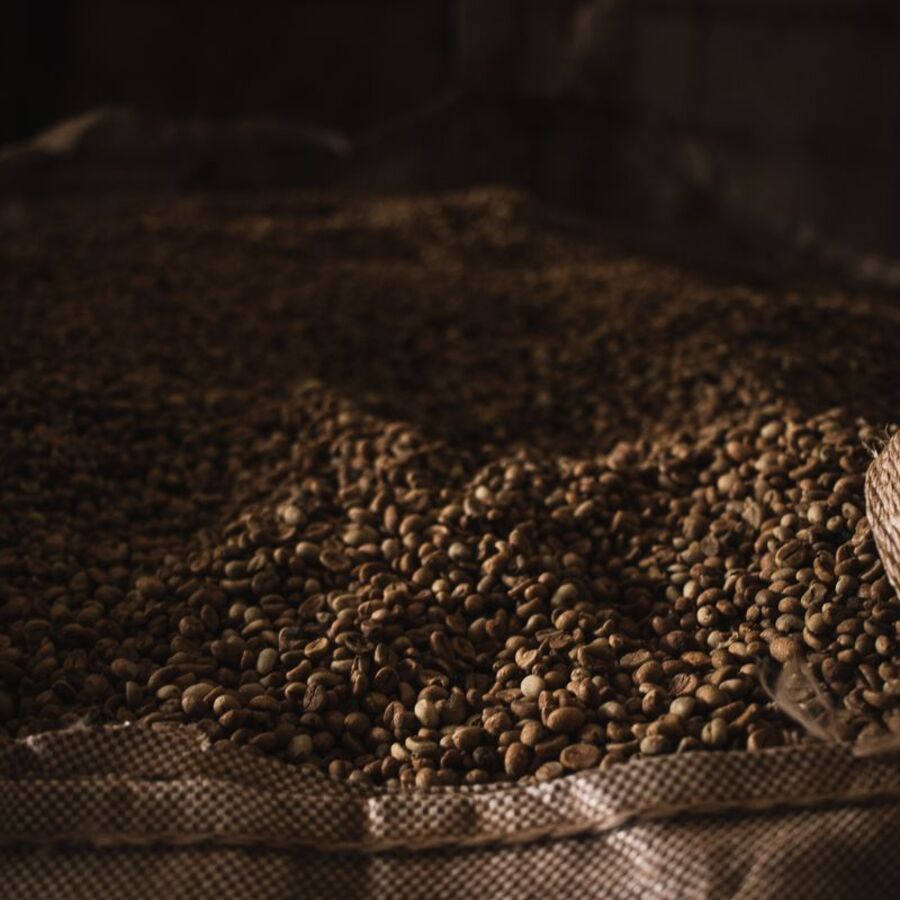
He walked past the guards with the contraband pressed against his chest. The beans sailed with him to India, unroasted and alive — every one still able to become a tree.
He carried the seven seeds into the cool, misted hills of the Western Ghats — land made for coffee. Into the soil they went. They took. India’s first Arabica rose from a saint’s quiet rebellion, and those hills were renamed Baba Budan Giri in his honour.
From those seven seeds, coffee began a journey that has never really finished. The Dutch lifted plants from India to Indonesia. A single tree was gifted to Louis XIV. A cutting from that royal specimen was spirited across the Atlantic by a naval officer named Gabriel de Clieu, who shared his own water ration to keep the seedling alive on the crossing to Martinique. Trace many of today’s great coffee lineages back far enough, and the trail runs through a French garden, a Dutch ship, and finally to seven beans in a pilgrim’s beard.
Shade-grown in the Western Ghats.
Where coffee grows among pepper and cardamom.
Coorg — Kodagu in Kannada — sits at 1,000 to 1,400 metres in the Western Ghats, one of the world’s biodiversity hotspots. Coffee here is not monocropped. It grows threaded among areca palms, fruit trees, pepper vines and cardamom in a shade-grown agroforestry system that has been practised for generations.
That biodiversity feeds the soil, shelters wildlife, and lends the coffee a rich body and smooth, distinctive character. It is the reason Indian Robusta now earns serious respect in specialty markets that once dismissed the species entirely.
For generations, delicate Arabica was king. Then, in the nineteenth century, coffee leaf rust swept the plantations, gutting yields and threatening the whole industry. Farmers answered with a hardier species — Robusta — tougher, more disease-resistant, and far better suited to India’s warm, humid climate. Today Robusta accounts for roughly 70% of India’s annual crop, often grown at elevations of 1,000–1,400 metres. Its naturally high caffeine content doubles as a built-in defence against pests and disease.
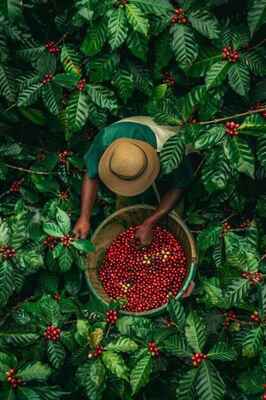
Every cherry picked by hand.
Pass after pass, only the ripe ones taken.
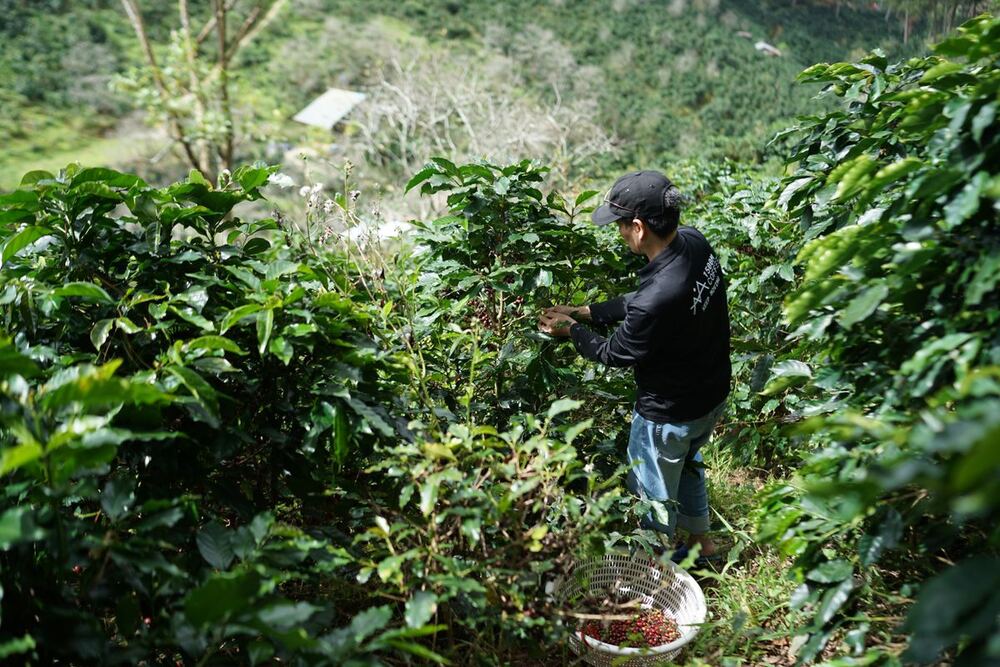
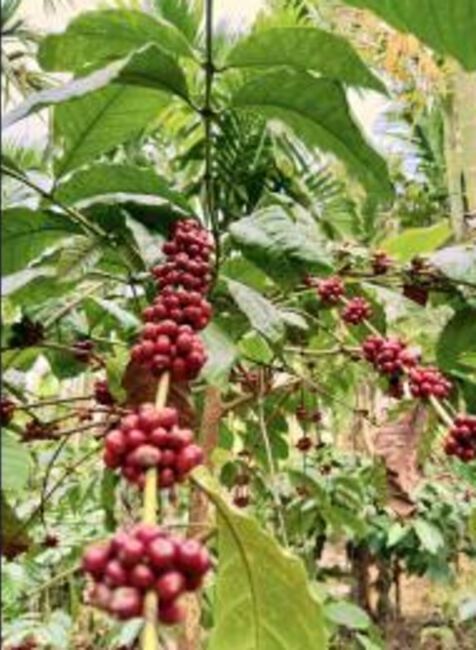
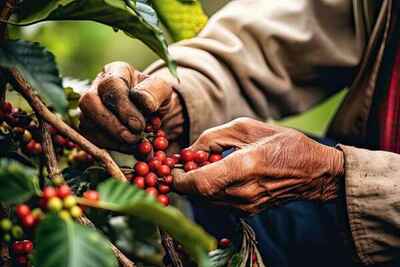
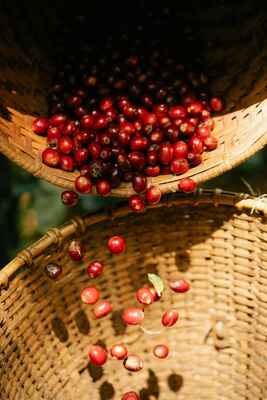
Selective hand-picking is slow and labour-intensive. A picker returns to the same tree multiple times across the harvest season, taking only the cherries that have turned deep crimson. The green and yellow ones stay on the branch to ripen for the next pass.
It is the opposite of strip-harvesting, where an entire branch is cleared at once regardless of ripeness. The difference shows up in the cup — fewer defects, cleaner flavour, a more uniform lot.
Coffee is our flagship.
It isn’t the whole harvest.
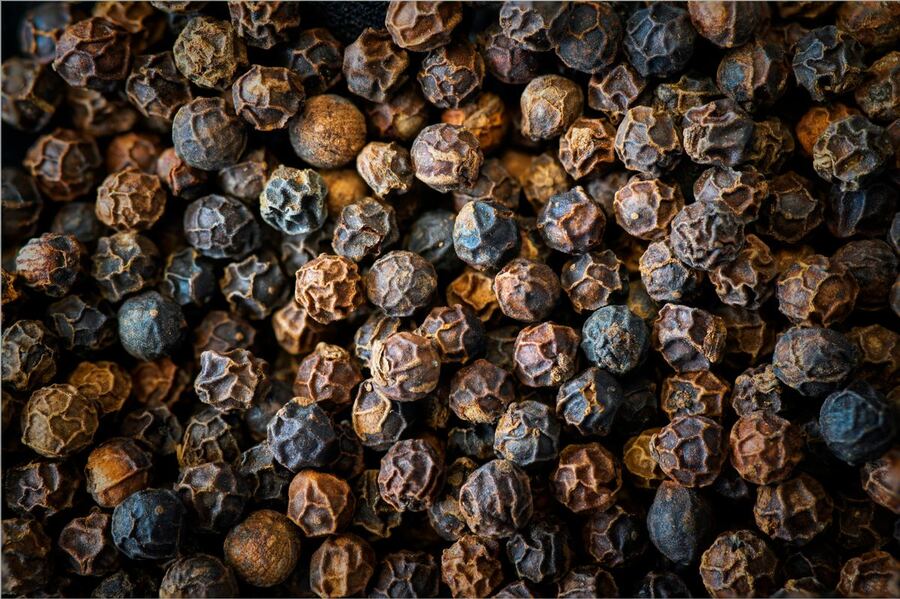
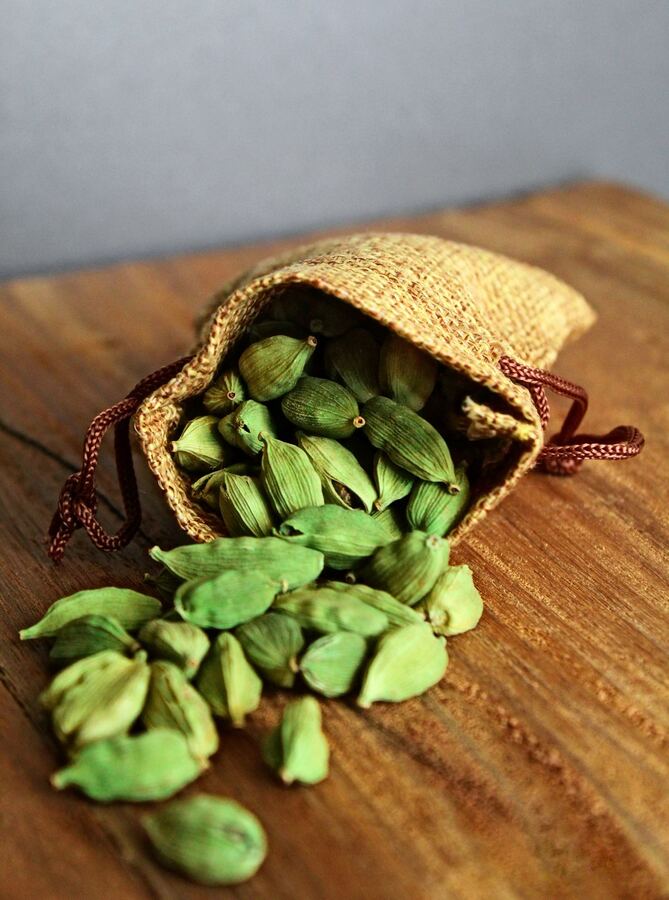
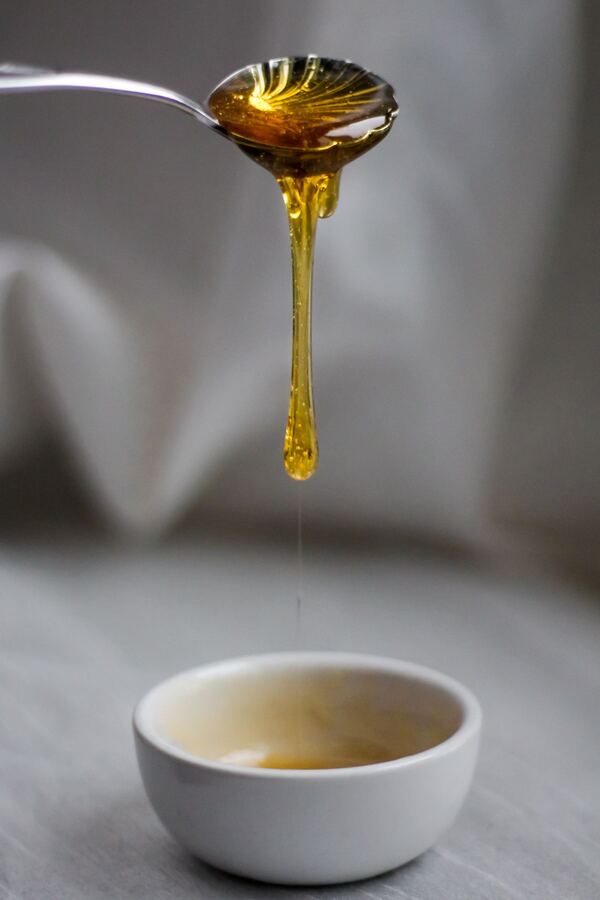
The same Coorg estates that grow our coffee are shade-grown alongside pepper vines and cardamom under the canopy, with honey gathered from the surrounding forest. As an import-export house, we ship all four as estate-direct, traceable commodities to international buyers.
355 years from seven stolen seeds.
From Coorg to the world.
We carry it forward.
We bridge global markets with dependable trade solutions — driven by transparency, integrity and a customer-focused approach on every container.
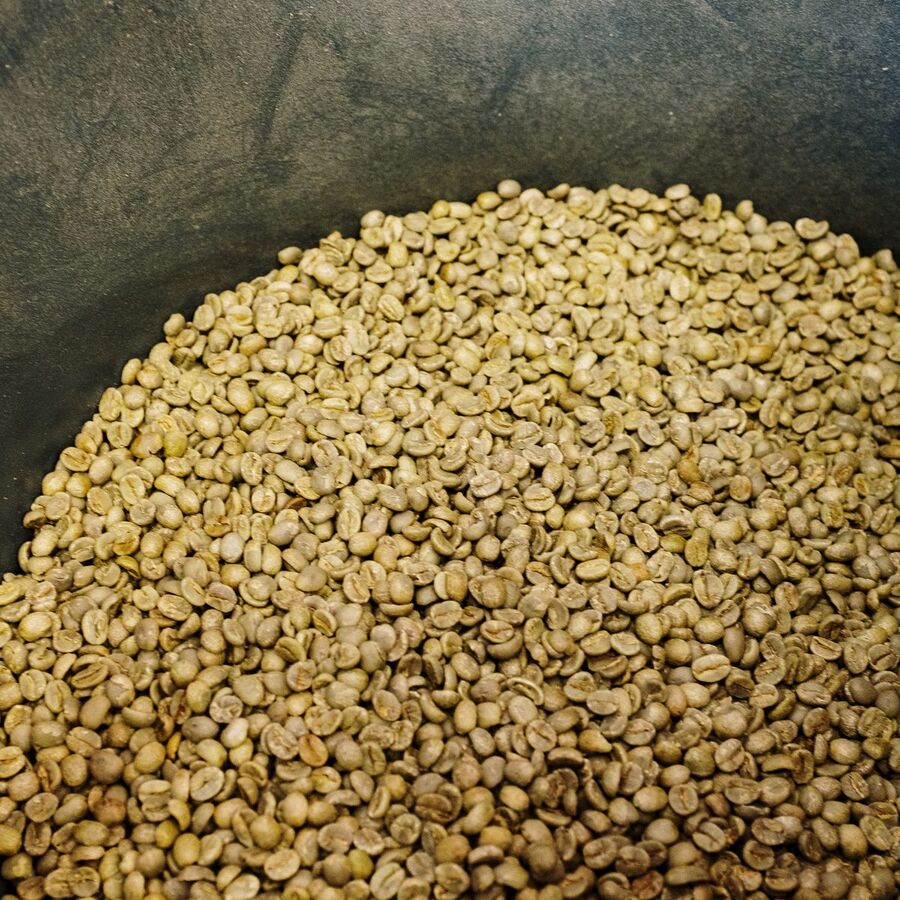
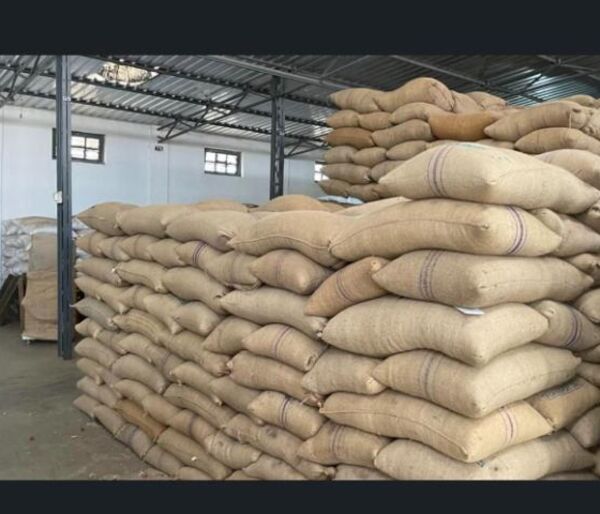
From seven beans in a pilgrim’s beard to your warehouse. Premium Coorg green coffee, black pepper, cardamom and honey for buyers who care where their goods come from.